Source sustainable custom clothes tag for Garments, Bags, and Shoes
Explore 30 options for sustainable custom clothes tag featuring paper materials, eco-friendly characteristics, and various printing styles. Buyers can compare specifications like size, shape, and delivery times to find the right supplier for garments, bags, and shoes.
Key considerations
Products List




Comprehensive Sourcing Guide
Strategic Sourcing Guide for Sustainable Custom Clothes Tags
Understanding the Technical Landscape of Garment Labeling
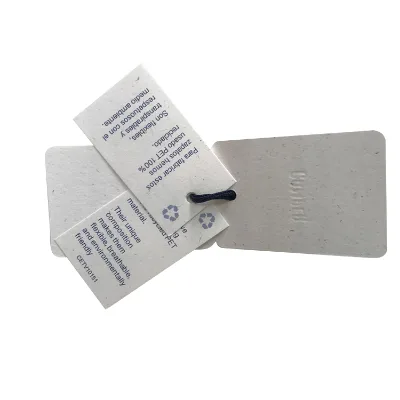
The procurement of sustainable custom clothes tags requires a precise understanding of the technical specifications that define the product category. Based on current market observations, these items are primarily categorized as garment tags, hang tags, or brand tags designed for applications ranging from jeans and overcoats to bags and DIY projects. The physical form factor is diverse, with observed specifications including triangular shapes, strip configurations, and other special shapes tailored to specific branding needs. A critical technical observation is the material composition; the market offers options utilizing special paper, 350g Kraft paper, and 350g white card paper. These material choices directly influence the tactile quality and perceived value of the garment.
Dimensions are a primary consideration for buyers, with standard observed sizes such as 9cm by 5.4cm, though custom dimensions are frequently available to meet unique design requirements. The manufacturing process involves various finishing techniques that enhance the visual appeal and durability of the tag. Observed special finishes include embossing for logos, red hot stamping, and die-cutting for eyelets or special handles. The printing capabilities vary significantly across suppliers, ranging from single-color silk printing and two-color printing to full-color printing, or even options without color printing for a minimalist aesthetic. The inclusion of accessories such as pins, strings, and PP fabric handles is common, allowing for versatile attachment methods to the final product.
Evaluating Material Sustainability and Environmental Claims
When sourcing sustainable custom clothes tags, the material selection is the most critical factor in determining the environmental footprint of the product. The supplied data highlights specific material attributes that buyers should prioritize. The presence of "Eco-Friendly" and "Recycled" characteristics indicates a shift away from virgin materials toward more sustainable alternatives. Specifically, the use of 350g Kraft paper is a strong indicator of sustainability, as kraft paper is often derived from recycled fibers and is biodegradable. The mention of "Special Paper" suggests that suppliers may offer proprietary blends or treatments designed to reduce environmental impact while maintaining structural integrity.
Buyers must verify the source of these materials to ensure that the "Eco-Friendly" and "Recycled" claims are substantiated. While the provided context does not confirm specific certifications like GOTS, OEKO-TEX, FSC, or ISO 14001 for every listed product, these are industry-standard benchmarks that should be requested during the supplier evaluation phase. The distinction between "Paper" and "Special Paper" implies that not all paper-based tags are created equal; some may include coatings or treatments that complicate recycling. Therefore, procurement teams should request material safety data sheets or specific sustainability reports to confirm that the paper used is indeed recyclable or compostable and free from harmful chemicals. The "Recycled" attribute observed in the data serves as a starting point, but verification of the percentage of post-consumer waste content is essential for accurate sustainability reporting.
Navigating Customization and Design Flexibility
The ability to customize is a defining feature of the modern garment tag market, and the data confirms that customization is widely available. Buyers can expect to find suppliers offering "Customized Designs" and "Customized" standards, allowing for significant flexibility in branding. This includes the ability to alter the shape, such as choosing between triangle, strip, or other special shapes, and to specify exact dimensions like the observed 9cm*5.4cm format. The printing options further expand this flexibility, with capabilities ranging from full-color printing to specialized techniques like embossing and red hot stamping. These processes allow for the creation of textured logos and premium finishes that elevate the brand identity.
The customization process often involves specific technical requirements that must be communicated clearly to the supplier. For instance, the use of die-cutting for eyelets or special handles requires precise design files to ensure the structural integrity of the tag is not compromised. Additionally, the choice of accessories, such as pins or strings, must align with the intended application, whether it is for heavy-duty overcoats or delicate bags. The "Customized" standard noted in the data suggests that suppliers are prepared to adapt their production lines to meet unique client specifications. However, buyers should be aware that extensive customization can impact lead times and minimum order quantities (MOQ). While some products list an MOQ of 2000 pieces, others may require 3000 or even up to 50,000 pieces, depending on the complexity of the design and the materials selected.
Cost Drivers and Minimum Order Quantity Considerations
The cost structure of sustainable custom clothes tags is influenced by several key variables, including material type, printing complexity, and order volume. The observed MOQ range of 500 to 50,000 pieces indicates a highly flexible market, though the specific MOQ for a given product can vary significantly based on the supplier's production capabilities. For example, products with standard specifications may have lower entry barriers, while those requiring special finishes like red hot stamping or complex die-cutting might necessitate higher order volumes to justify the setup costs. The material cost is also a major driver; 350g Kraft paper and special papers may carry different price points compared to standard white card paper, depending on market availability and sustainability premiums.
Lead times are another critical component of the cost equation. The data shows a wide variance in delivery times, ranging from a rapid 48-hour turnaround once payment is received to approximately 15 days for more complex orders. This discrepancy suggests that suppliers with streamlined processes or local inventory may offer faster delivery, while those engaged in custom manufacturing or sourcing specific sustainable materials may require longer lead times. Buyers must factor these timelines into their production schedules to avoid delays. Furthermore, the "Standard Export Carton" and "Standard Carton Packing" options observed in the data imply that packaging costs may be included in the unit price or charged separately. Understanding the total cost of ownership, including packaging and logistics, is essential for accurate budgeting.
Supplier Evaluation and Quality Assurance Protocols
Selecting the right supplier for sustainable custom clothes tags requires a rigorous evaluation process that goes beyond price and lead time. The data indicates that suppliers operate primarily out of China, with specific origins noted in Guangzhou, Guangdong. This regional concentration suggests a mature supply chain with specialized expertise in garment accessories. However, buyers should verify the supplier's quality control mechanisms, as the data mentions "inner quality control" as a standard practice. This implies that suppliers have internal processes to ensure consistency, but buyers should request details on their specific quality assurance protocols, such as in-process inspections and final random sampling.
Compliance with industry standards is another vital aspect of supplier evaluation. While the provided text does not confirm specific certifications for all products, the mention of "inner quality control" suggests a baseline commitment to quality. Buyers should inquire about the supplier's adherence to international standards and their ability to provide third-party test results for materials, especially regarding the "Eco-Friendly" and "Recycled" claims. The presence of features like "Anti-counterfeit" and "Waterproof" in some product descriptions indicates that suppliers may offer advanced security features, which require specialized testing to verify. A comprehensive supplier audit should cover their environmental policies, production capacity, and ability to scale with demand, ensuring they can meet the buyer's long-term needs.
Application Scenarios and Long-Term Procurement Strategy
The versatility of sustainable custom clothes tags makes them suitable for a wide range of applications, including garments, jeans, bags, shoes, and DIY projects. The data highlights specific use cases such as "Garment Tags," "Hang Tags," and "Custom Clothes Price Tags," demonstrating the product's adaptability across different fashion segments. For brands focusing on sustainability, the choice of tag material and design can reinforce their brand values and appeal to environmentally conscious consumers. The ability to incorporate features like barcodes and anti-counterfeit measures adds a layer of utility that is valuable for inventory management and brand protection.
Long-term procurement strategies should focus on building relationships with suppliers who can consistently deliver high-quality, sustainable products. This involves establishing clear communication channels regarding design specifications, material sourcing, and quality expectations. Buyers should also consider the scalability of their orders, ensuring that their suppliers can handle increased volumes without compromising on quality or sustainability standards. The observed "Standard Export Carton" packing suggests that logistics are a key consideration, and buyers should work with suppliers who can optimize packaging to reduce waste and shipping costs. By aligning their procurement strategy with their sustainability goals, buyers can create a supply chain that supports both their business objectives and their environmental commitments.
Comparative Analysis of Tag Specifications
To assist buyers in making informed decisions, the following table compares key specifications observed across different product listings. This comparison highlights the diversity in materials, shapes, and finishing options available in the market.
| Specification Category | Option A (Standard) | Option B (Premium/Special) | Option C (Functional) |
|---|---|---|---|
| Material | 350g Kraft Paper | Special Paper | 350g White Card Paper |
| Shape | Triangle | Strip | Other Special Shape |
| Printing | Two Color Printing | Full Color Printing | Without Color Printing |
| Special Finish | Red Hot Stamping | Embossing | Die-Cutting Eyelets |
| MOQ | 2000 PCS | 3000 PCS | Variable (up to 50,000) |
| Lead Time | 48 Hours | 15 Days | Variable |
| Key Feature | Eco-Friendly | Recycled | Anti-counterfeit, Waterproof |
| Application | Garments, Jeans | Bags, Shoes | DIY, Overcoat |
This comparison underscores the importance of aligning product specifications with specific brand needs. Buyers should carefully evaluate which combination of material, finish, and functionality best supports their sustainability goals and operational requirements. By leveraging the available data and conducting thorough due diligence, procurement teams can secure high-quality, sustainable custom clothes tags that enhance their brand identity and meet the demands of the modern market.
FAQs
What materials are used for sustainable custom clothes tags?
Suppliers offer tags made from 350g Kraft paper, special paper, and 350g white card paper. These materials are selected for their eco-friendly and recycled characteristics to support sustainable branding initiatives.
Which shapes are available for custom garment hang tags?
Available shapes include triangle, strip, and other special shapes tailored to specific design needs. Buyers can also request custom dimensions like 9cm by 5.4cm to match their unique packaging requirements.
How fast can suppliers deliver paid orders for these tags?
Delivery times vary significantly, with some suppliers offering 48-hour delivery once payment is received. Other options may require about 15 days depending on the complexity of the customization and order volume.
Can I customize the printing and special finishes on these tags?
Yes, customization is available with options for two-color, full-color, or one-color silk printing. Special finishes like embossing, red hot stamping, and die-cutting for eyelets are also commonly offered.
What is the typical minimum order quantity for these tags?
Minimum order quantities range from 2000 to 50000 pieces depending on the specific product model and customization level. Some standard items may start at 2000 pieces while complex designs often require higher volumes.
Where are these sustainable garment tags typically manufactured?
Most products originate from China, with specific manufacturing hubs located in Guangzhou, Guangdong. Buyers should verify the exact location and quality control standards of the factory before placing an order.